Understanding AR Glasses: What You Need to Know
In the rapidly evolving world of technology, augmented reality (AR) glasses are becoming a focal point for both consumers and developers. These devices blend the digital world with the physical one, enabling users to interact with virtual elements overlaid on their real-world surroundings. As we move into 2026, understanding what AR glasses are, their key features, and how they can benefit daily life is paramount for anyone interested in this innovative technology. When exploring options, AR glasses provide comprehensive insights into the latest advancements and choices available.
What Are AR Glasses?
AR glasses are wearable devices that enhance the user's perception of reality by superimposing digital information onto their field of view. Unlike virtual reality (VR), which immerses users in a completely simulated environment, AR adds layers of visual content to the real world. This technology utilizes cameras, sensors, and software to analyze the user’s surroundings, allowing for a diverse range of applications from navigation to entertainment.
Key Features and Innovations in 2026
- Improved Display Technology: The latest AR glasses feature high-definition displays that enhance clarity and color accuracy, making virtual objects appear more lifelike.
- Advanced Tracking Systems: Innovations in spatial awareness algorithms and sensor technology enable more precise tracking of movements and the environment.
- Hands-Free Interaction: With voice recognition and gesture control, users can interact with AR applications seamlessly without needing to touch their devices.
- Connectivity: Improved Bluetooth and Wi-Fi capabilities allow for real-time data streaming, enhancing the user experience across various applications.
Benefits of Using AR Glasses in Daily Life
The integration of AR glasses into daily routines presents numerous advantages. They can enhance productivity by providing hands-free access to information during tasks, such as viewing instructions while cooking or accessing navigation while driving. Additionally, they offer entertainment possibilities like immersive gaming experiences or interactive storytelling that can revolutionize how we consume media.
Market Analysis: The AR Glasses Landscape
Current Trends in AR Glasses Technology
The AR glasses market is gaining momentum, driven by advancements in artificial intelligence and machine learning that allow for personalized experiences. Companies are increasingly focusing on creating lightweight and stylish designs that appeal to everyday consumers. Additionally, integration with existing ecosystems, such as smart home devices and smartphones, is becoming more common.
Consumer Demand and Expectations for 2026
As AR technology matures, consumer expectations are shifting towards versatility and ease of use. Users are looking for devices that can serve multiple purposes—from fitness tracking and professional applications to gaming and social interaction. The demand for better battery life and comfort will also play a crucial role in the adoption of AR glasses in the mass market.
Comparing Top AR Glasses Brands
Several brands have emerged as leaders in the AR glasses market. Companies like VITURE, Snap, and Ray-Ban are continuously innovating to provide the best features and user experiences. Each brand brings its unique strengths, whether through superior display technology, compatibility with other devices, or specialized applications for niche markets.
Challenges in AR Glasses Adoption
Technical Limitations and Solutions
Despite the promise of AR glasses, several technical challenges remain. Issues such as insufficient battery life, limited field of view, and the need for a powerful processor can hinder user adoption. Manufacturers are actively working on these challenges, focusing on more efficient power management systems and advanced hardware to create a seamless user experience.
Privacy Concerns of AR Glasses Users
Privacy concerns are paramount when it comes to AR glasses. The potential for misuse of camera data and user information poses significant risks. Developers must prioritize strong data protection measures and transparent user agreements to build trust among consumers.
Overcoming the Cost Barrier
The cost of AR glasses can be prohibitive for many potential users. However, as technology advances and competition increases, prices are expected to decrease, making them more accessible. Companies are exploring different pricing models, including subscriptions and financing options, to make these devices more affordable.
Use Cases for AR Glasses in Different Industries
AR Glasses in Education: Enhancing Learning Experiences
In educational settings, AR glasses have the potential to transform the learning experience by providing interactive and immersive lessons. Students can visualize complex subjects like biology or physics through simulations that bring abstract concepts to life, enhancing retention and engagement.
Applications in Gaming and Entertainment
The gaming industry is one of the primary drivers of AR glasses development. Titles that utilize AR can create mixed-reality environments, allowing players to interact with their real-world surroundings as part of the game. This immersive experience can elevate traditional gaming to a new level of engagement.
AR Glasses in Professional Settings: Business Use Cases
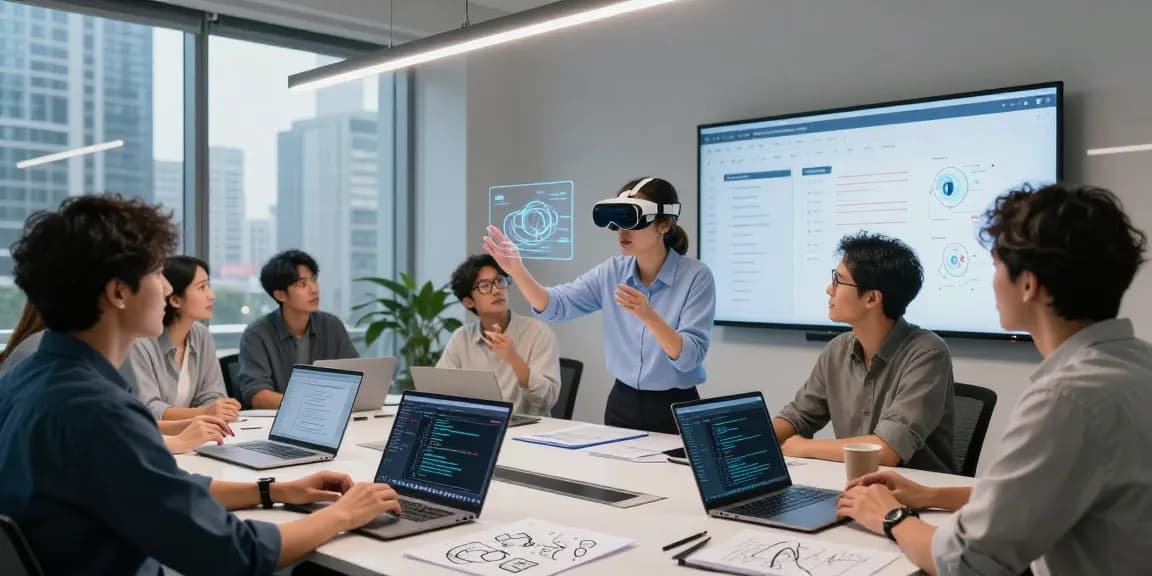
In the corporate world, AR glasses are being utilized for training, remote assistance, and collaboration. They can facilitate real-time data sharing during meetings or assist technicians with step-by-step visual guides during repairs, increasing efficiency and reducing errors.
The Future of AR Glasses: What Lies Ahead?
Predictions for AR Glasses Market Growth
As technology advances, the AR glasses market is projected to experience significant growth. Increased adoption across various sectors—education, healthcare, entertainment, and enterprise—will fuel this expansion. Analysts predict that by 2026, AR glasses could become a mainstream consumer product.
Emerging Technologies That Will Influence AR Glasses
Future innovations in machine learning, 5G connectivity, and miniaturization of components will further enhance the capabilities of AR glasses. These technologies will ensure that AR glasses not only become more powerful but also more user-friendly and integrated into daily life.
Final Thoughts on AR Glasses Evolution by 2026
The evolution of AR glasses promises a revolutionary shift in how we interact with the world around us. As barriers to adoption are overcome and new use cases are discovered, AR glasses are set to redefine personal and professional experiences in unprecedented ways. Keeping abreast of these developments will be essential for users and developers alike.