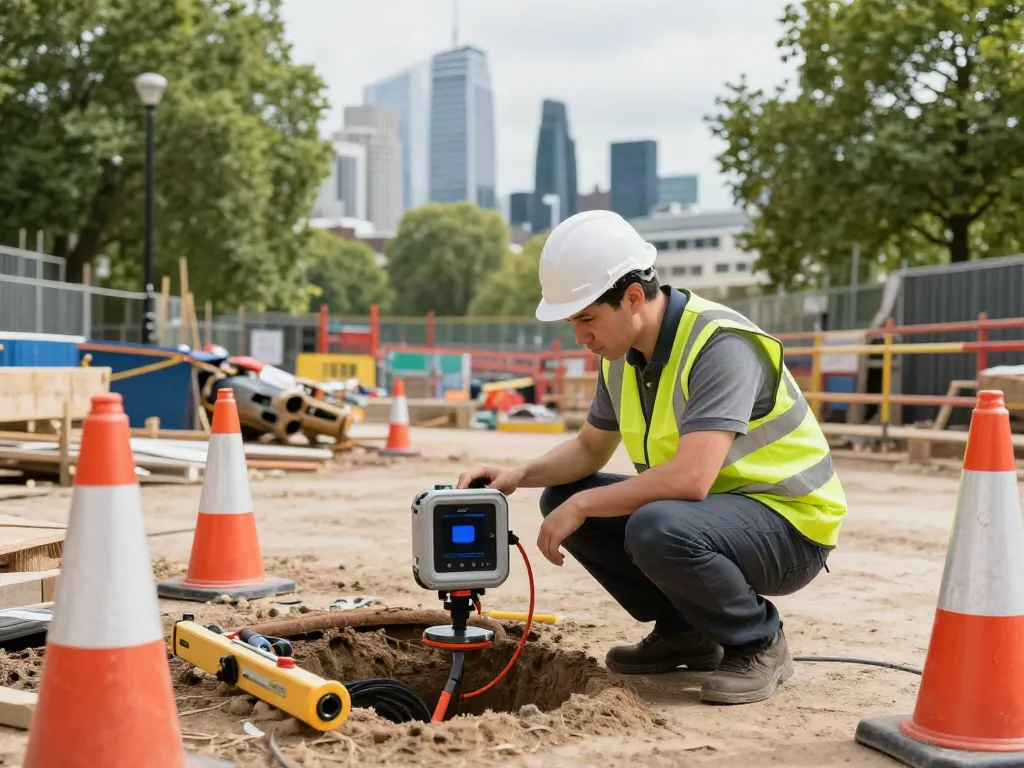
Understanding the Importance of Buried Services Detection in London
In a bustling metropolis like London, the reliance on underground utilities is immense. From gas and water supply lines to telecommunications infrastructures, these buried services are the lifeblood of urban development and functionality. As construction activity increases across the city, the need for effective and reliable Buried Services Detection London has never been more critical. Understanding what these services are, the risks involved with neglecting detection, and the impact on urban development is essential for contractors, developers, and planners alike.
What Are Buried Services?
Buried services refer to various cables and pipes that lie underground, including essential utilities such as water, electricity, gas, sewerage, and telecommunication lines. These services are typically buried at varying depths and can range in size from small communication cables to large gas mains. Knowledge of the exact location and condition of these services is crucial for anyone involved in construction or excavation work, as they can be hidden beneath layers of soil and debris.
Key Risks of Ignoring Detection
Neglecting to perform thorough buried services detection can lead to severe consequences. Striking an underground utility can disrupt services, cause costly damage, and pose safety risks to workers and the public. Such incidents can lead to injuries, legal liabilities, and project stoppages. Moreover, they may incur financial penalties and damage a company's reputation. Identifying the location of buried services can help prevent these risks, ensuring safer and more efficient work practices.
Importance for Urban Development Projects
For urban development projects, understanding the layout of buried services is particularly vital. Accurate detection can inform planning and design, ensuring that new constructions do not interfere with existing utilities. This is critical in dense urban areas like London, where the proximity of utilities can complicate construction efforts. Integrating detection methodologies into project planning can streamline processes, reduce the likelihood of costly delays, and ultimately lead to more successful project outcomes.
Techniques Used in Buried Services Detection
Overview of Ground Penetrating Radar (GPR)
Ground Penetrating Radar (GPR) is one of the most efficient techniques used in buried services detection. This non-destructive method employs electromagnetic waves to create images of the subsurface. By sending signals into the ground and measuring the reflected waves, GPR can distinguish between various materials. It's particularly useful for locating pipes, cables, and other buried structures without excavation, making it an invaluable tool for construction and infrastructure maintenance in London.
Electromagnetic Locating Methods
Electromagnetic locating methods involve using electromagnetic fields to detect buried services. This technique typically requires placing a transmitter near the utility and then using a receiver to identify the electromagnetic signals. These methods are effective for identifying metallic utilities such as gas and water pipes. However, they may struggle with non-metallic lines, where GPR can complement their capabilities. Using both methods in conjunction provides a comprehensive approach to locating and mapping buried services.
Comparative Analysis of Techniques
When comparing techniques for buried services detection, GPR and electromagnetic locating methods each have unique advantages and limitations. GPR offers a broader view of the subsurface and can detect a variety of materials, while electromagnetic methods are often faster for metallic utilities. The choice of technique can depend on the specific requirements of a project, such as the types of utilities present, the soil conditions, and the depth of the services.
Regulatory Framework and Best Practices
UK Guidelines for Underground Services
The UK has established guidelines that govern buried services detection, notably under the *Utility Works Code of Practice*. These regulations help ensure that all parties involved in excavation and construction are aware of the risks and responsibilities associated with underground utilities. Following these guidelines not only promotes safety but also facilitates compliance with local laws and standards.
Best Practices for Contractors
Contractors engaged in construction projects should adopt best practices for buried services detection to mitigate risks. This includes conducting pre-excavation surveys, using the appropriate detection technologies, and collaborating closely with utility providers. Thorough training for staff on detection methods and safety practices is also essential. Documentation of all findings and actions taken can further enhance safety and legal compliance.
Case Studies on Compliance Failures
Numerous case studies illustrate the repercussions of neglecting buried services detection. For instance, incidents where contractors struck gas mains have led to explosions, resulting in fatalities and significant property damage. By examining these failures, the industry can learn valuable lessons about the importance of adhering to best practices for utility detection and the need for rigorous training and compliance with national guidelines.
Challenges in the Buried Services Detection Process
Common Misconceptions about Detection Methods
Many in the industry hold misconceptions about the capabilities of buried services detection methods. One common belief is that GPR can accurately identify every type of utility. In reality, while it is highly effective, GPR may face limitations in certain conditions, such as in areas with high levels of interference or in very dense soil. A mixed use of technologies is often necessary to achieve the best results.
Technological Limitations and Developments
The technology surrounding buried services detection is continually evolving, yet limitations still exist. For example, GPR can struggle with deep or densely packed utilities, and electromagnetic locating can miss non-metallic lines. However, advancements in technology, such as improved sensors and data analysis software, are continually enhancing the efficiency and accuracy of detection methods.
Strategies to Overcome Detection Challenges
To overcome challenges in buried services detection, professionals should implement a combination of technologies and methodologies. Training and continuous education on new methods and tools improve the detection process. Additionally, collaborating with utility companies for accurate mapping data can significantly enhance the understanding of subsurface conditions.
Future Trends in Buried Services Detection
Emerging Technologies in Utility Detection
The field of buried services detection is set to benefit significantly from emerging technologies. Innovations such as drone-assisted surveys, augmented reality, and AI-based analysis will enhance the precision and efficiency of detection efforts. These technologies can provide real-time data analysis and visualisation, enabling quicker and more informed decision-making in construction projects.
Predictions for 2026 and Beyond
Looking forward to 2026 and beyond, the industry is expected to see a greater integration of smart technologies within buried services detection. The increasing use of IoT devices, along with improved data analytics capabilities, will likely lead to proactive maintenance and better management of underground utilities. This will enhance urban planning efforts and potentially reduce the impact of utility strikes.
Preparing for Future Urban Infrastructure Needs
As cities like London continue to expand, preparing for future urban infrastructure needs will be critical. This includes investing in advanced buried services detection technologies and methodologies to ensure the stability and safety of new developments. Understanding and mapping the existing underground utilities will form the backbone of sustainable urban development efforts.
What are the common methods for detecting buried utilities?
Common methods for detecting buried utilities include Ground Penetrating Radar (GPR) and electromagnetic locating methods, along with acoustic and visual inspections in some cases. Each method has its strengths and is often used in combination to ensure accurate detection.
How deep can utilities be buried in London?
Utilities in London can be buried at varying depths, generally ranging from around 0.5 metres to more than 2 metres, depending on the type of utility and local regulations. Understanding these depths is crucial for effective planning and excavation.
What is the role of technology in utility detection?
Technology plays a vital role in enhancing the accuracy and efficiency of utility detection. Advanced methods like GPR and electromagnetic locating facilitate safer excavation practices by providing clearer insights into subsurface conditions.
How do regulations impact buried services detection?
Regulations dictate the standards and procedures for buried services detection, ensuring safety and compliance. Adhering to these regulations helps prevent accidents and facilitates effective management of urban infrastructure.
What are the best practices for contractors in this field?
Best practices for contractors include thorough pre-excavation planning, the use of appropriate detection technologies, ongoing training, and maintaining accurate records of all utility detection activities. Collaboration with utility providers also enhances detection efforts.